
Logistics has never been a static industry, but the pace of change in recent years has been extraordinary. A confluence of technological innovation, shifting consumer expectations, geopolitical realignments, and sustainability pressures is rewriting the rulebook for how goods move around the world. Whether you run a regional trucking company or manage the distribution network for a global retailer, these trends will define your competitive landscape for years to come.
1. The Rise of Real-Time Visibility
In the past, supply chain visibility meant knowing roughly where a shipment was — and hoping for the best. Today, real-time visibility has become a baseline expectation. Advanced IoT sensors, GPS tracking, and connected logistics platforms now allow companies to monitor shipments at every point in their journey, from factory floor to front door. Temperature-sensitive pharmaceuticals, high-value electronics, and perishable foods can all be tracked in real time, with automated alerts triggering when conditions deviate from acceptable thresholds.
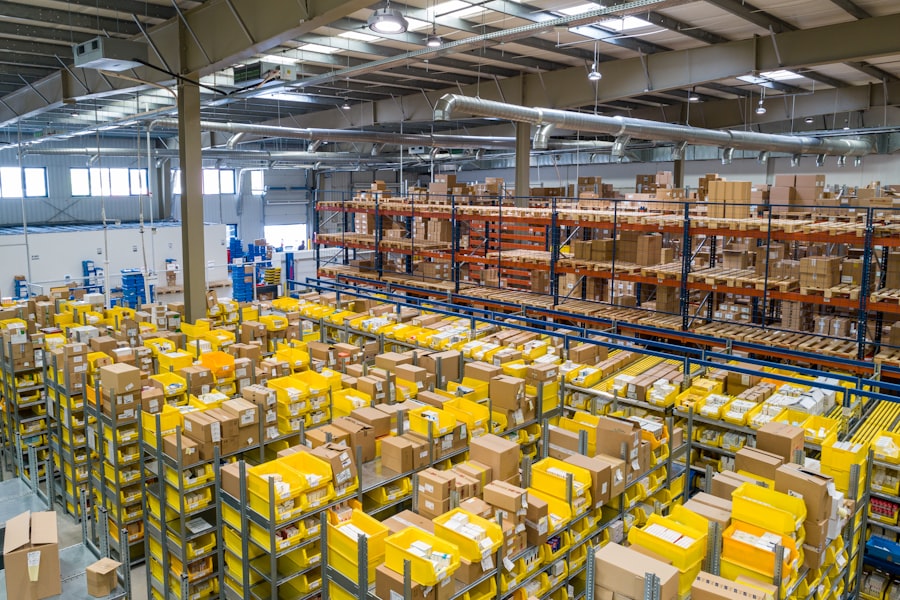
Platforms like project44, FourKites, and Visibility Hub aggregate data from carriers, ports, and customs authorities to give shippers a single pane of glass view of their global operations. The companies that invest in this infrastructure are finding that they can respond to disruptions faster, reduce safety stock requirements, and offer customers far more accurate delivery estimates — a powerful differentiator in an era of sky-high service expectations.
2. Near-Shoring and Supply Chain Regionalization
For decades, the dominant logic of global supply chains was straightforward: manufacture where labor is cheapest, ship to where customers are. That model is now being fundamentally questioned. The COVID-19 pandemic exposed the fragility of highly concentrated, long-haul supply chains. Geopolitical tensions — particularly between the United States and China — have added further uncertainty. The result is a broad trend toward near-shoring: moving production and sourcing closer to end markets.
Mexico has emerged as a major beneficiary of this shift, with significant manufacturing investment flowing into the country from companies seeking to serve the North American market with shorter lead times and lower geopolitical risk. Similarly, Eastern Europe has seen increased interest from European companies looking to reduce dependence on Asian manufacturing. This regionalization trend is reshaping freight flows, creating new logistics corridors, and driving demand for distribution infrastructure in regions that were previously considered secondary markets.
3. Green Logistics and the Decarbonization Imperative
Transportation is one of the largest contributors to global greenhouse gas emissions, and the logistics industry is under intense pressure to clean up its act. This is not just about corporate social responsibility — it is increasingly about regulatory compliance and investor expectations. The European Union's Carbon Border Adjustment Mechanism, tightening emissions standards for trucks and ships, and mandatory sustainability reporting requirements are all pushing logistics providers toward greener operations.

The response from the industry has been significant. Electric trucks from manufacturers like Tesla, Volvo, and Daimler are entering commercial fleets. Green hydrogen is being explored as a fuel source for long-haul trucking and maritime shipping. Major ocean carriers like Maersk have ordered fleets of methanol-powered vessels. And across the industry, route optimization software is being deployed to eliminate empty miles and reduce fuel consumption. Sustainability is no longer a side project — it is becoming a core operational discipline.
4. The Explosion of E-Commerce and Omnichannel Fulfillment
E-commerce continues to reshape logistics at a fundamental level. The surge in online shopping that began during the pandemic has not reversed — it has stabilized at a permanently higher level, and consumer expectations have only grown more demanding. Same-day and next-day delivery, once the exclusive province of Amazon, are now table stakes for any serious e-commerce player.
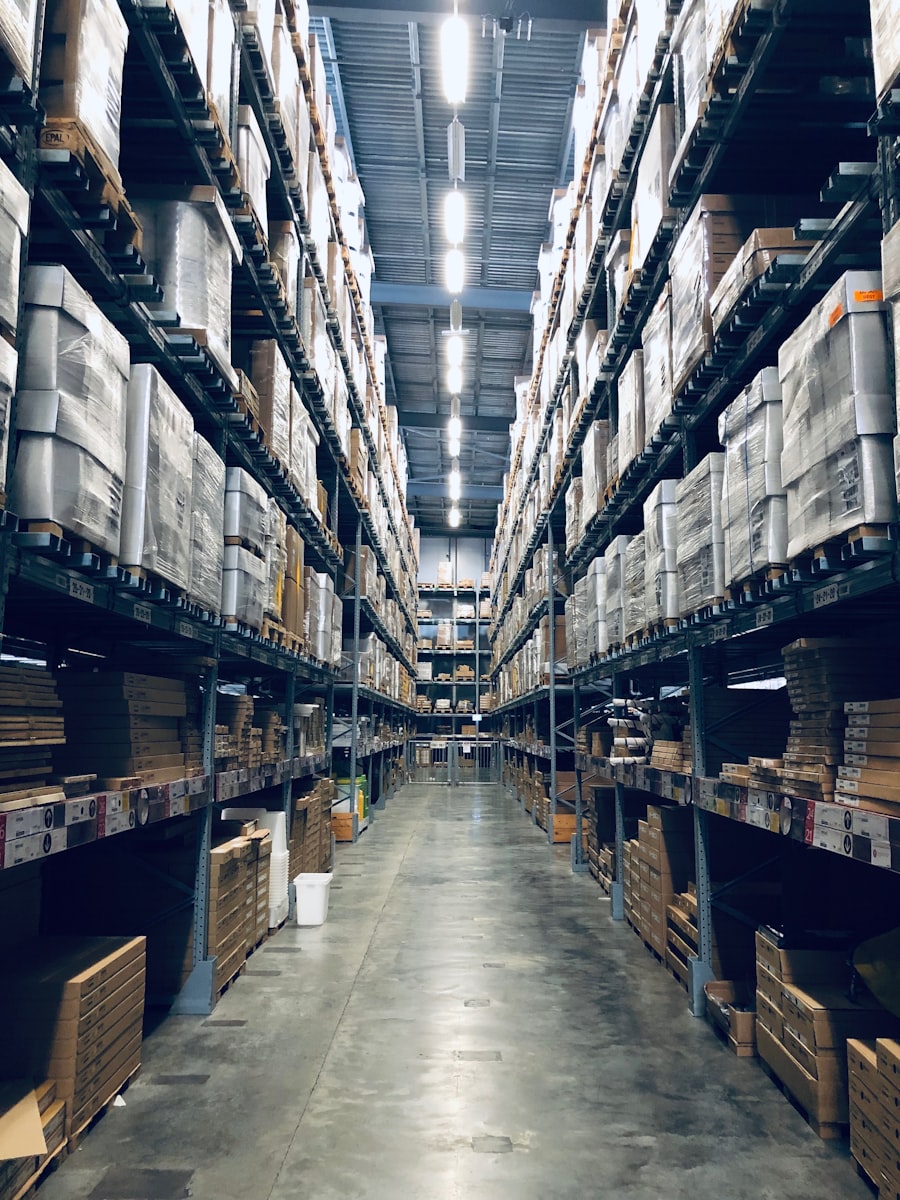
Meeting these expectations requires a fundamentally different logistics infrastructure — one built around micro-fulfillment centers located close to urban populations, sophisticated last-mile delivery networks, and seamless omnichannel capabilities. Retailers are transforming stores into fulfillment hubs, using them to stage inventory for rapid local delivery. Third-party logistics providers are racing to build the urban distribution networks that support this model. The companies that crack the code on fast, affordable last-mile delivery will hold a decisive advantage in the years ahead.
5. Digital Freight Marketplaces and the Uberization of Trucking
The trucking industry — long characterized by fragmentation, paper-based processes, and inefficient load matching — is being transformed by digital freight platforms. Companies like Uber Freight, Convoy (now integrated into Flexport), and Transfix connect shippers directly with carriers through digital marketplaces, eliminating the need for traditional freight brokers in many scenarios. These platforms use algorithms to match loads with the right carriers, optimize pricing in real time, and automate the administrative work that has historically consumed enormous amounts of time in logistics operations.
The impact is significant: faster load matching, better carrier utilization, reduced empty miles, and more transparent pricing. For small carriers, these platforms offer access to a much broader pool of freight than they could access through traditional channels. For shippers, they provide greater flexibility and often lower costs. The digitization of freight brokerage is still in its early stages, but the trajectory is clear.
6. Cold Chain Innovation
The global cold chain — the temperature-controlled logistics network that keeps food safe and pharmaceuticals effective — is experiencing rapid growth and transformation. The COVID-19 vaccine distribution effort highlighted both the critical importance of cold chain logistics and the industry's capacity for rapid innovation. Today, advanced phase-change materials, smart packaging, and IoT-enabled temperature monitoring are making cold chain logistics more reliable and cost-effective than ever before.
Demand for cold chain capacity is being driven by the growth of fresh food e-commerce, the proliferation of biologics and cell therapies in the pharmaceutical pipeline, and rising middle-class consumption of perishable goods in emerging markets. Companies that build robust cold chain capabilities — particularly in last-mile delivery — will find themselves well-positioned in one of logistics' fastest-growing segments.
7. Talent, Technology, and the Human Factor
Amid all the excitement about technology, it is important not to lose sight of the human factor. The logistics industry faces a severe and persistent talent shortage, particularly for truck drivers, warehouse workers, and supply chain managers. Automation can address some of this gap, but it cannot solve it entirely — and it creates new demands for workers with different skill sets, including data analytics, systems management, and technology integration.
The companies that will win in the logistics landscape of 2025 and beyond are those that successfully combine technological investment with workforce development. That means attracting and retaining skilled professionals, upskilling existing workers for the digital age, and creating workplace cultures that can compete with the technology sector for talent. The supply chain of the future will be run by people who understand both the physical flow of goods and the digital systems that orchestrate it.
Looking Forward
The logistics industry of 2025 is more technologically sophisticated, more geopolitically complex, and more sustainability-conscious than at any point in its history. The trends outlined above are not isolated developments — they are interconnected forces that together are reshaping the entire ecosystem of global trade. For logistics professionals and supply chain leaders, the imperative is clear: embrace the transformation, invest in the right capabilities, and stay agile in the face of continuing uncertainty. The winners of the next decade will be those who see change not as a threat, but as an opportunity.